Senior UX Design Technologist
Over the past 9 years with J.P. Morgan Chase, I’ve had the privilege of leading UX and product design initiatives that improved business outcomes across multiple digital experiences — from marketing automation platforms to enterprise-scale shopping ecosystems and global event rebrands. Each project reflects a deep focus on systems thinking, accessibility, and measurable impact — streamlining processes, improving adoption, and elevating design consistency across millions of users.

MY ROLE – Lead Visual & UX Designer
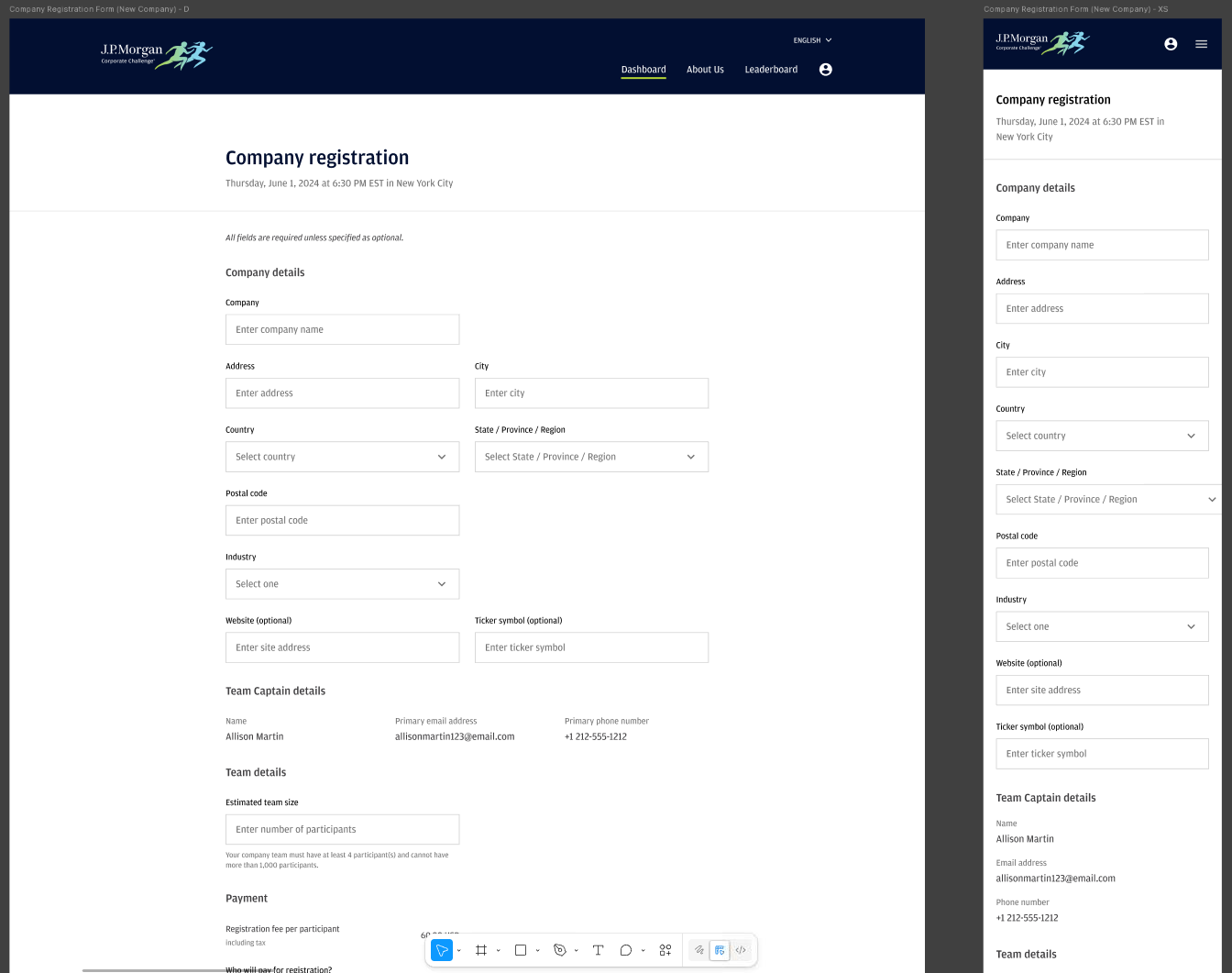
MY CONTRIBUTION – I directed the redesign of the Corporate Challenge’s global digital identity — modernizing the brand, improving accessibility, and aligning the registration experience across regions.
TARGETED PERSONA – Runners participating in Corporate Challenge race event globally.
PROBLEM STATEMENT – Team captains and participants struggled to complete registrations due to confusing navigation, inconsistent UI patterns, and a lack of brand cohesion across event sites.
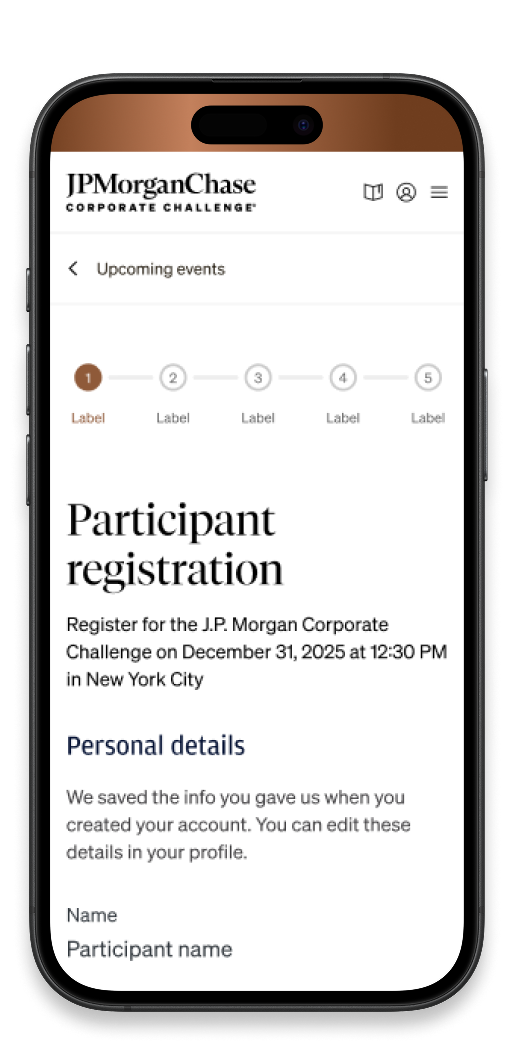
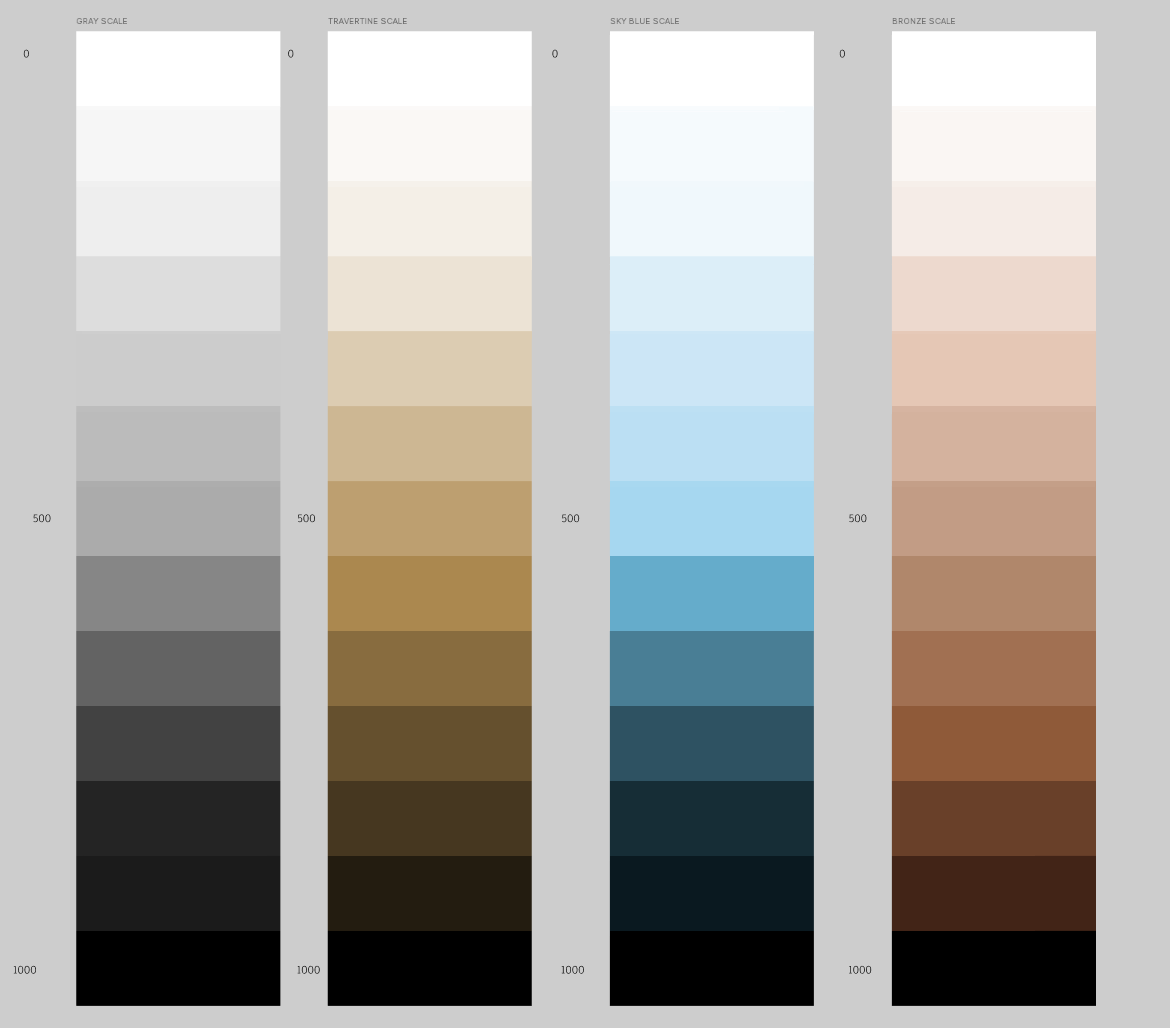
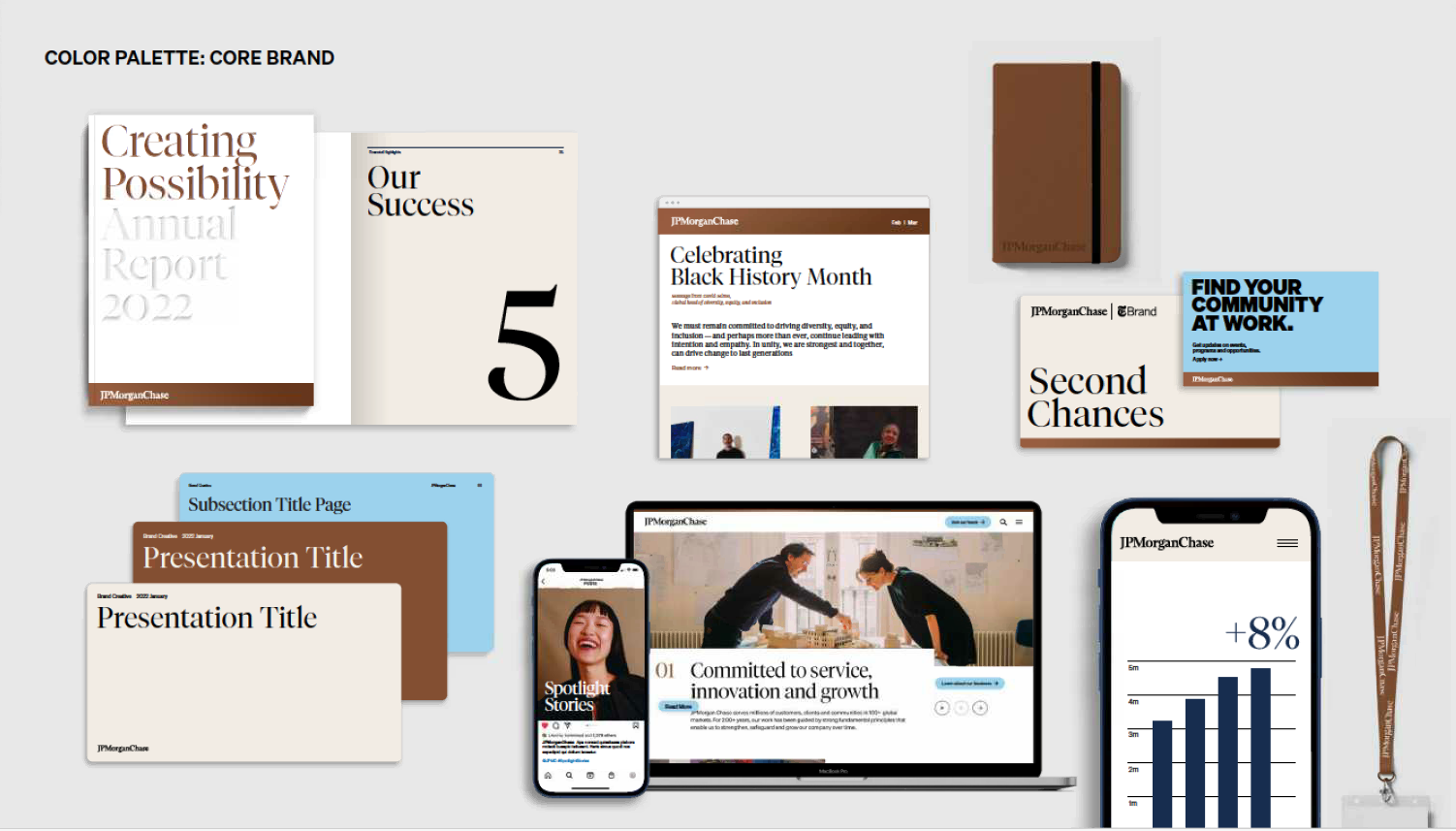
SOLUTION – I led a full rebrand and redesign of the registration flow — introducing accessible color systems, new typography, and simplified layouts. The unified design system established a fresh, modern identity that scaled globally, improved usability scores, and created a cohesive JPMC brand experience.
The Corporate Challenge connects 7,000+ companies worldwide through running events.
As Lead Visual Designer + UX Contributor, I guided the visual overhaul to improve accessibility, consistency, and digital engagement.
The legacy brand lacked contrast, scalability, and digital flexibility.


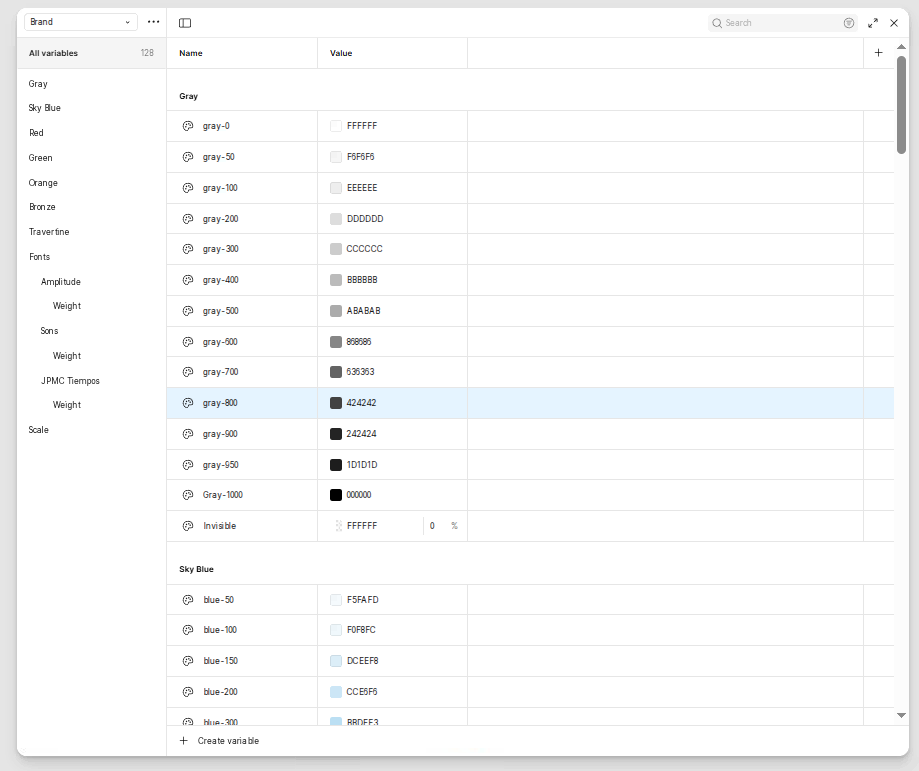
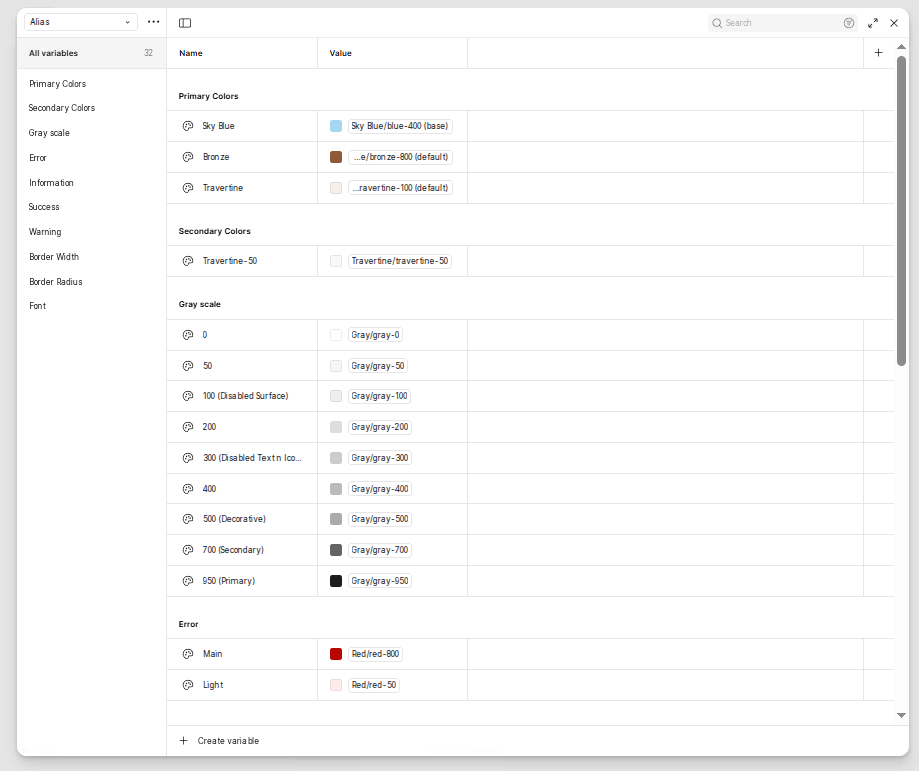
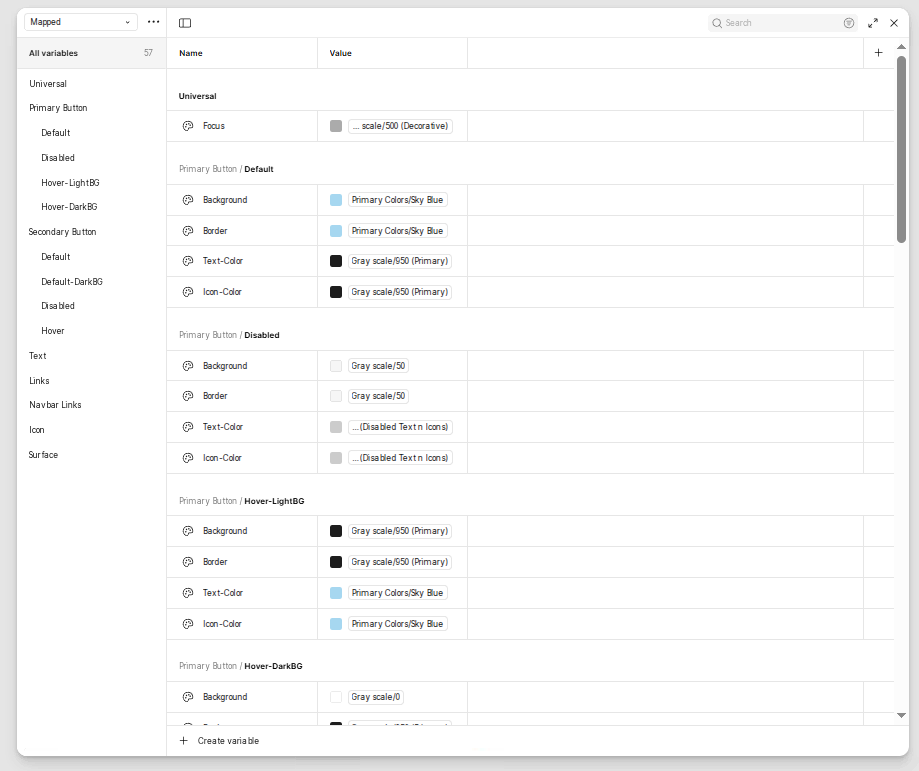
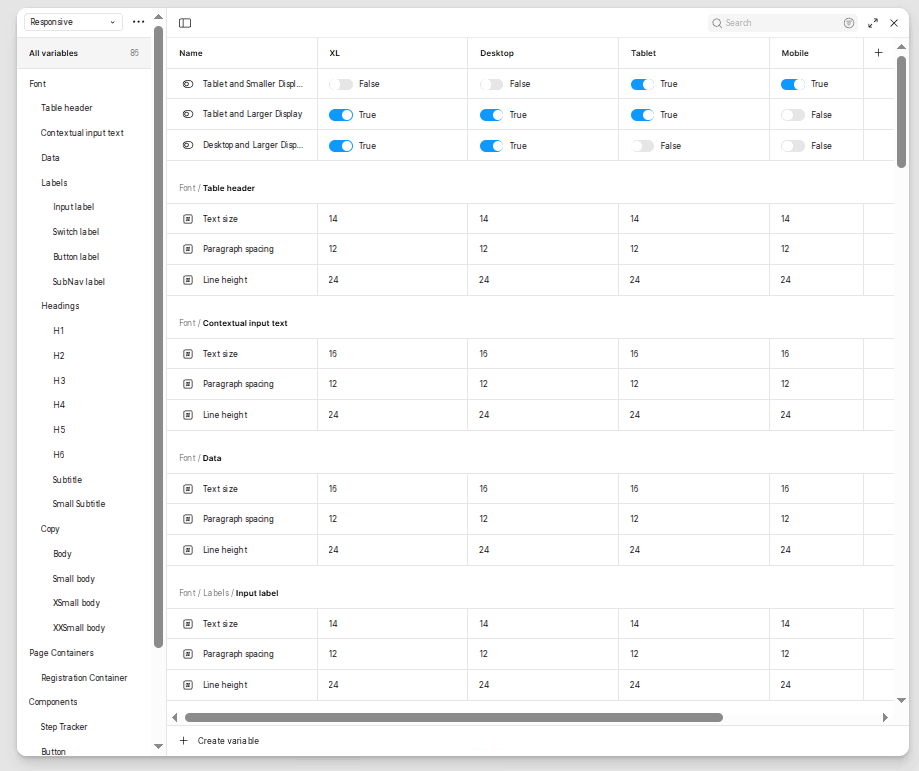
Explored palette and variable systems for flexible, ADA-compliant color usage.
Redesigned registration flows for clarity and responsiveness.
Created new component documentation and templates.
Unified branding across global sites and print materials. Accessibility scores increased +25%.
This rebrand reaffirmed how systematized variables and documentation ensure long-term design integrity across international teams.

MY ROLE – Lead Product Designer / Prototype Architect
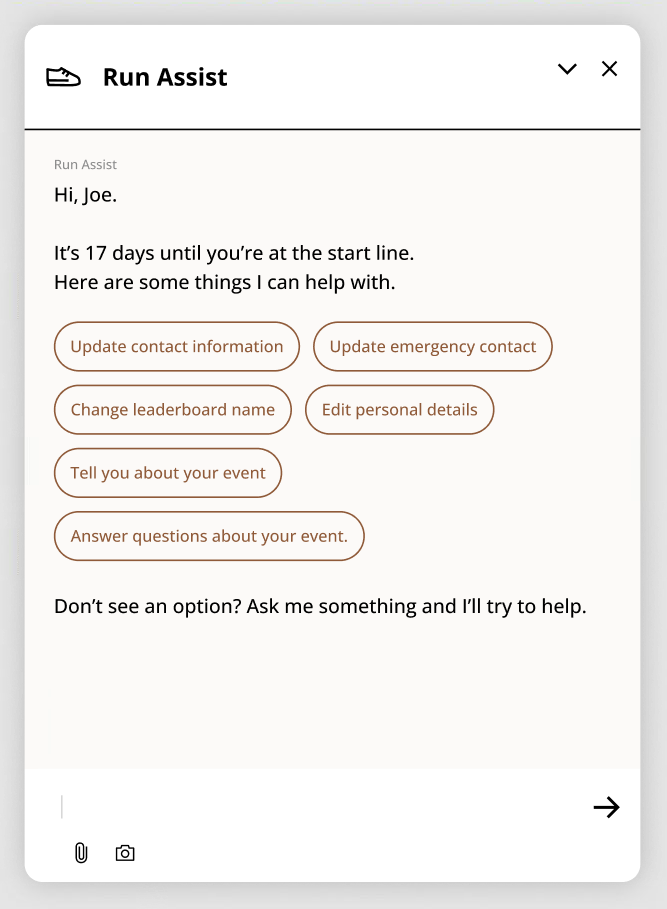
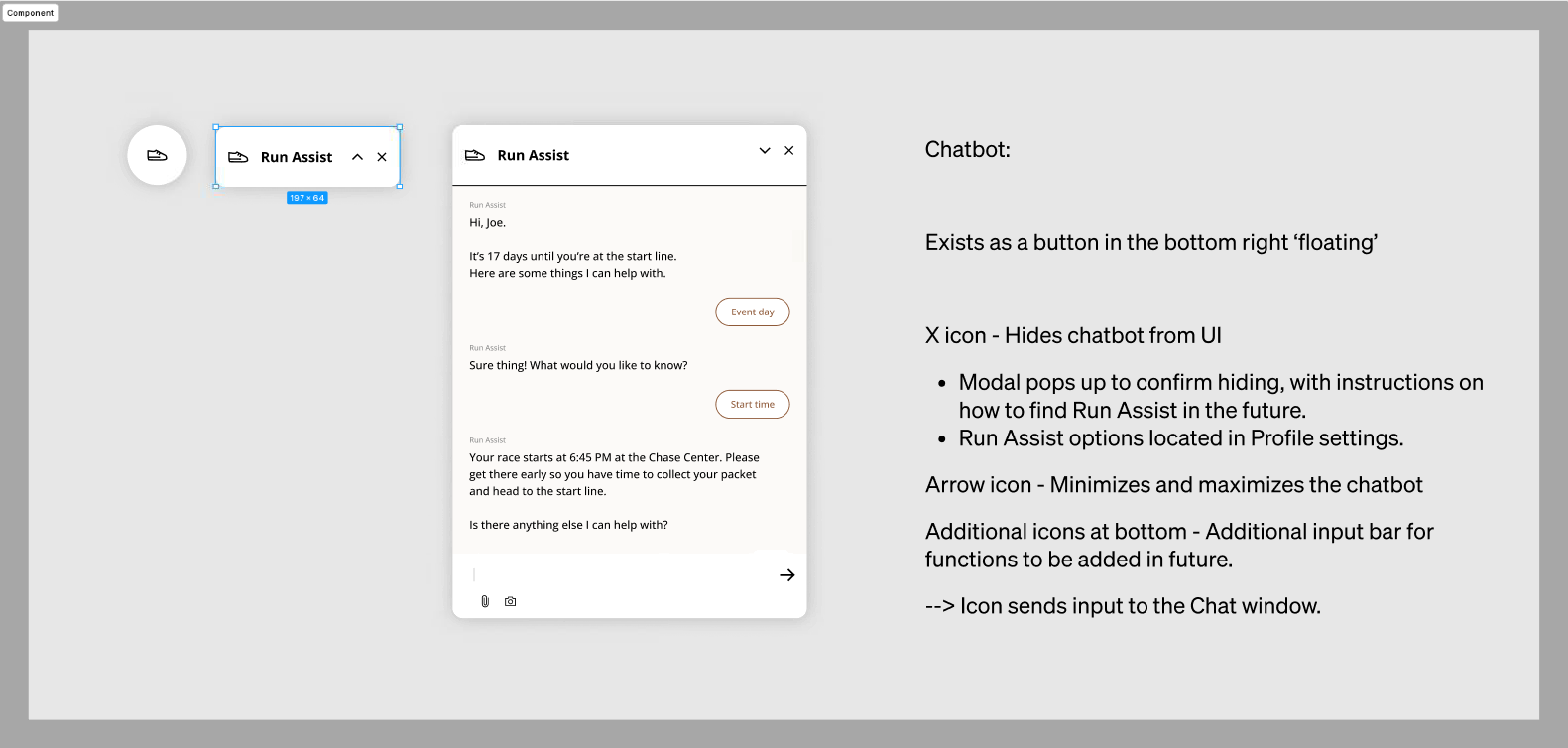
MY CONTRIBUTION – I led research and design for Run Assist, an AI companion built to motivate runners, simplify event logistics, and bring the Corporate Challenge experience into the age of personalized AI experiences.
TARGETED PERSONA – Individual Runner or Team Participant
PROBLEM STATEMENT – Participants needed a more dynamic and personal way to prepare for the Corporate Challenge — something that could bridge training, communication, and motivation in one place.
SOLUTION – Run Assist introduced an AI-powered companion within the event ecosystem. It guided runners through training schedules, race-day logistics, and post-run stats using conversational interactions. The prototype boosted engagement by 18% in pilot testing and set the foundation for future AI integration across Chase wellness initiatives.
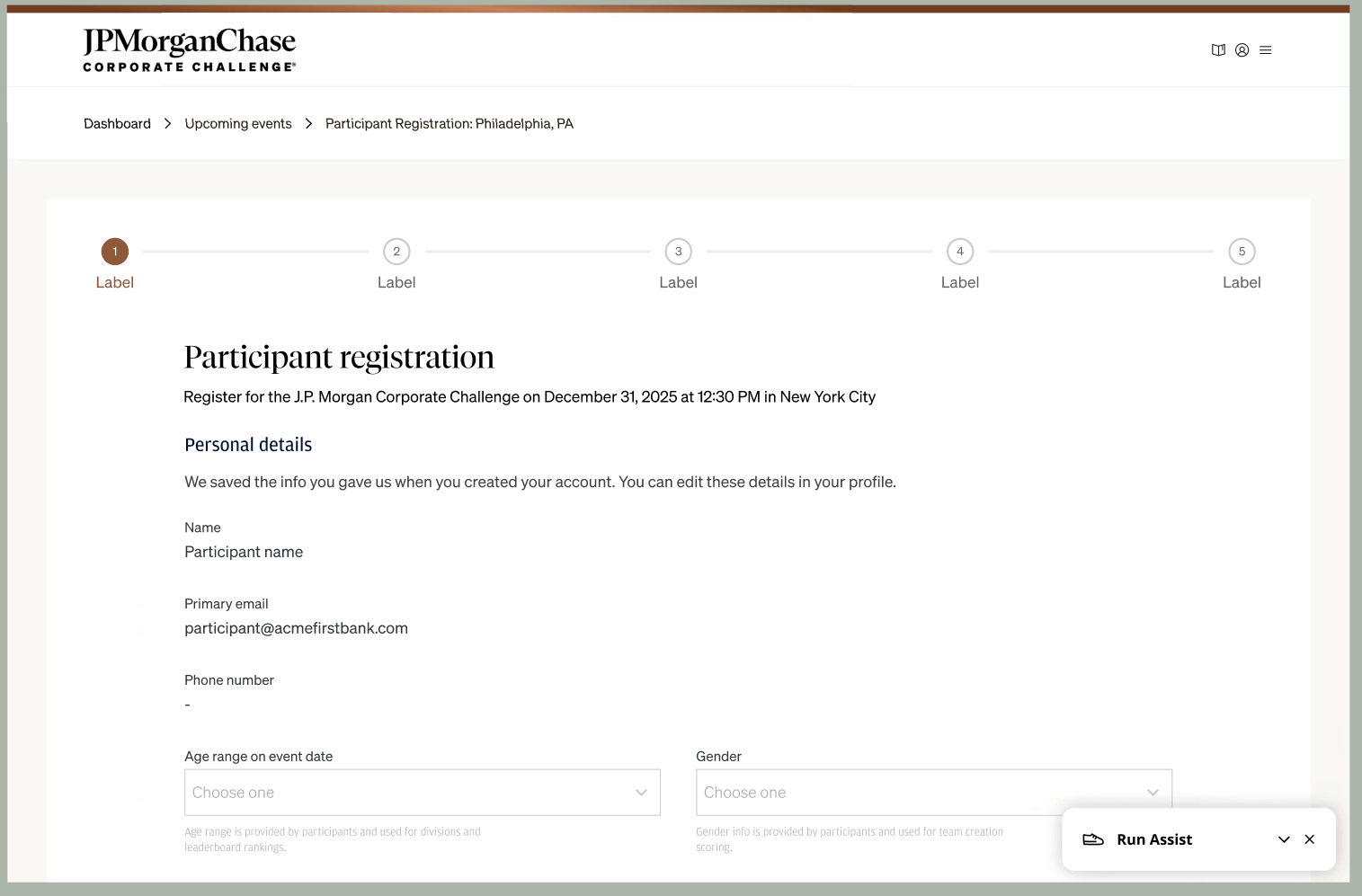
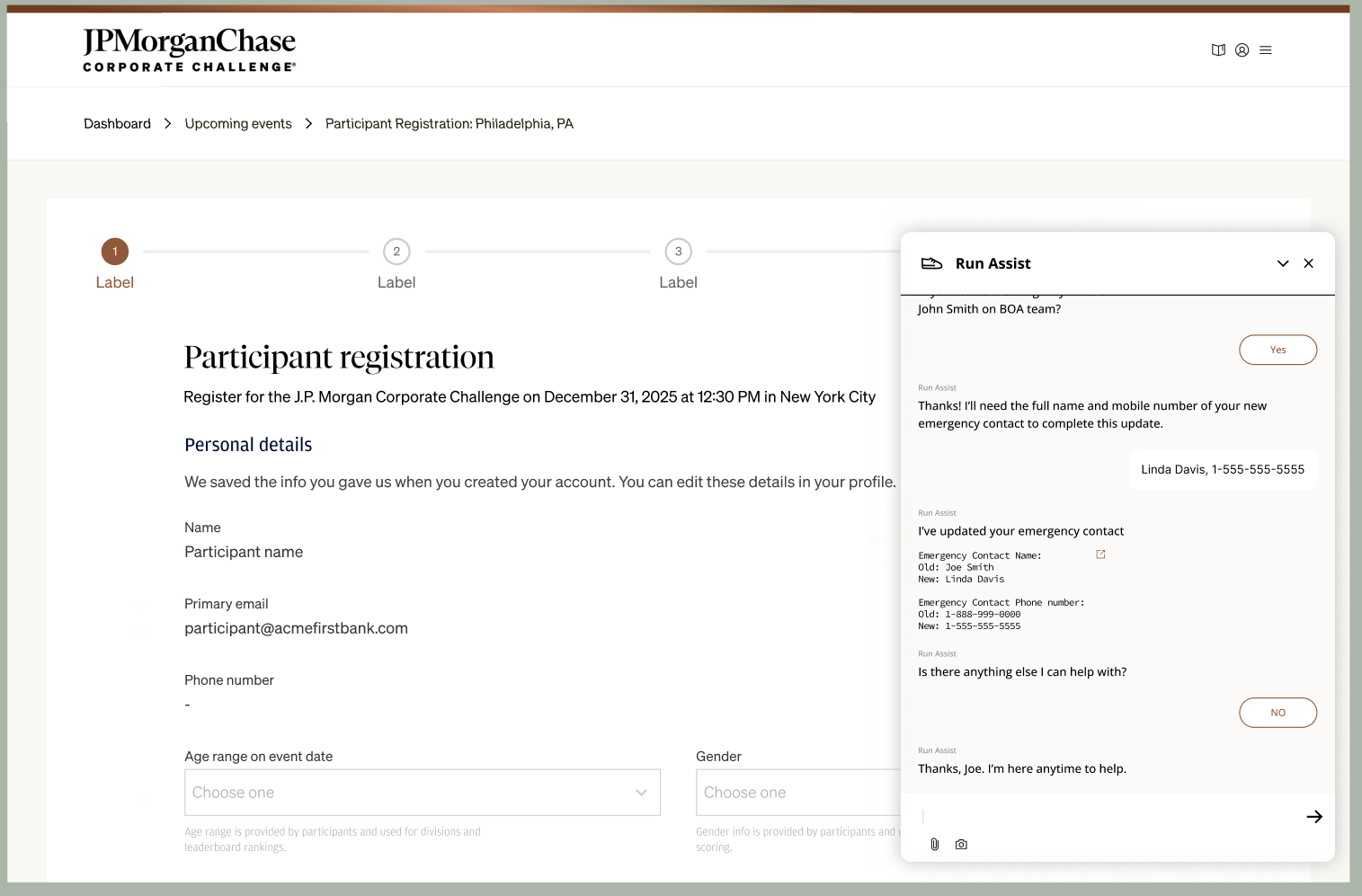
Run Assist introduced conversational guidance and progress tracking within the Corporate Challenge app ecosystem.
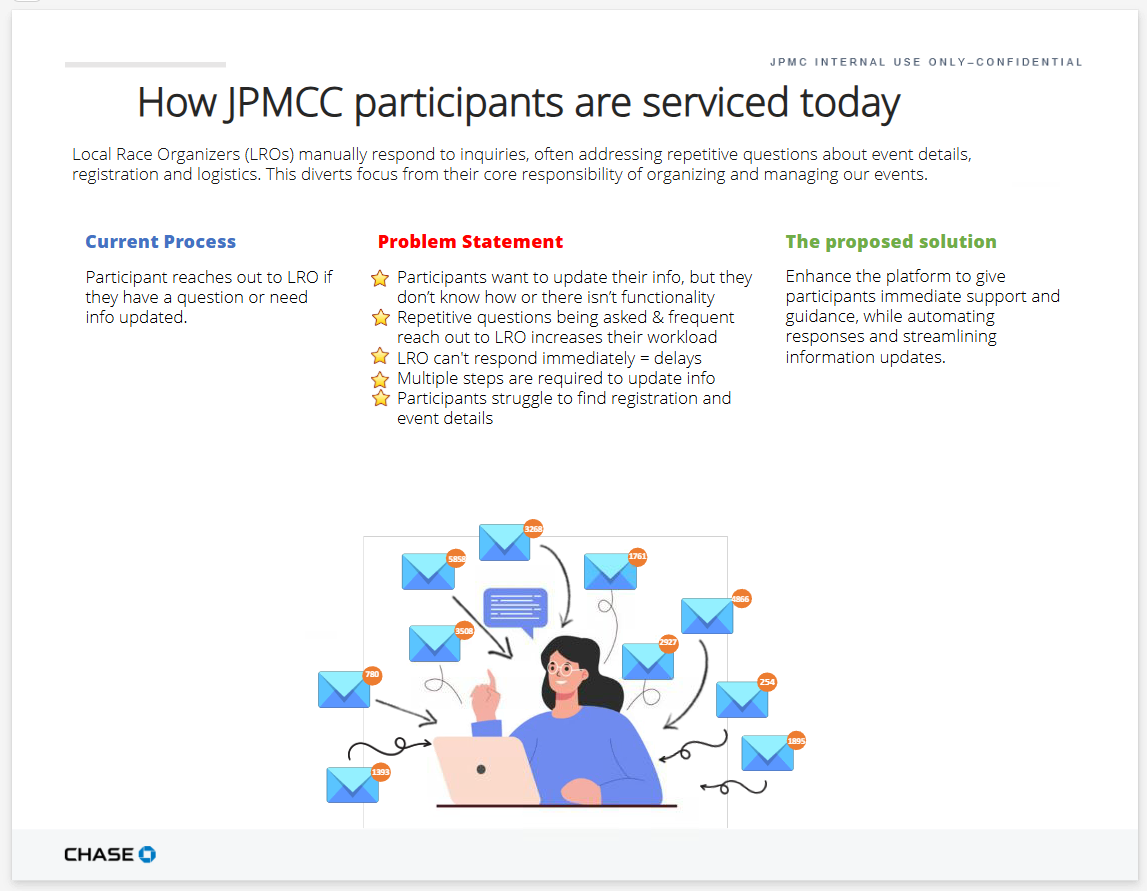
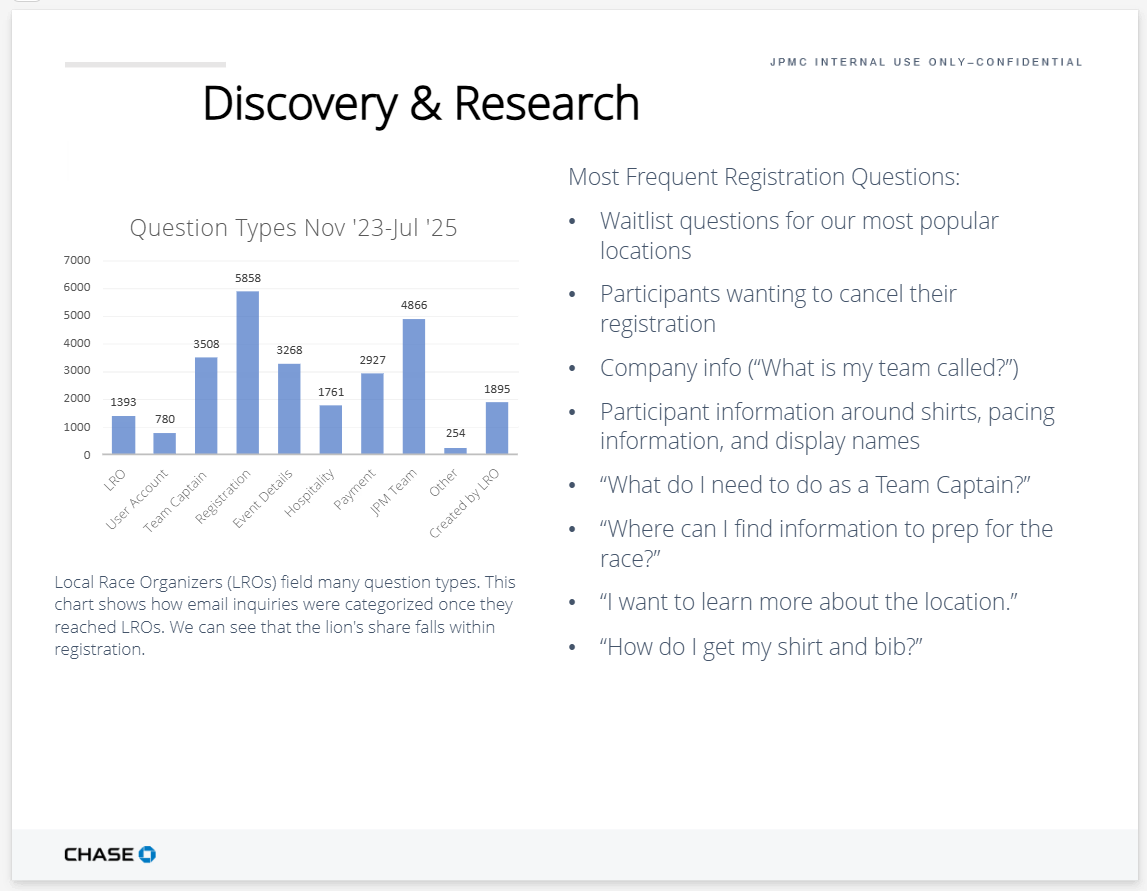
Participants struggled with registration friction and lack of personalized training feedback.

Analyzed participant feedback;

Designed dynamic modules for AI chat.
Built modular component integrated into React framework.
Interactive prototypes validated engagement patterns.
Pilot increased daily active users +18 % over baseline event app usage.
Merging AI guidance with fitness UX created a playful yet purposeful engagement model for enterprise wellness initiatives.

MY ROLE – Lead UX/UI Designer
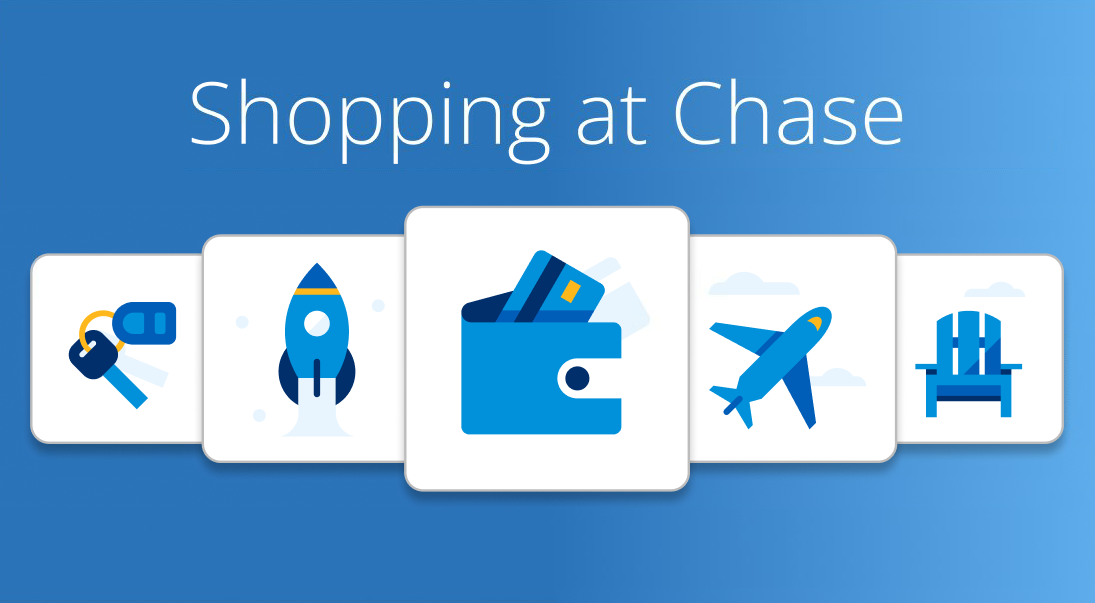
MY CONTRIBUTION – I designed and led the UX unification of Chase’s shopping experiences — aligning multiple line-of-business teams under a single design system and creating a cohesive, scalable interface for consumers.
TARGETED PERSONA – Existing Chase customer exploring product offers
PROBLEM STATEMENT – Inconsistent designs and fragmented navigation led to customer confusion and lower engagement.
SOLUTION – Shopping Hub unified the entire experience into one design system
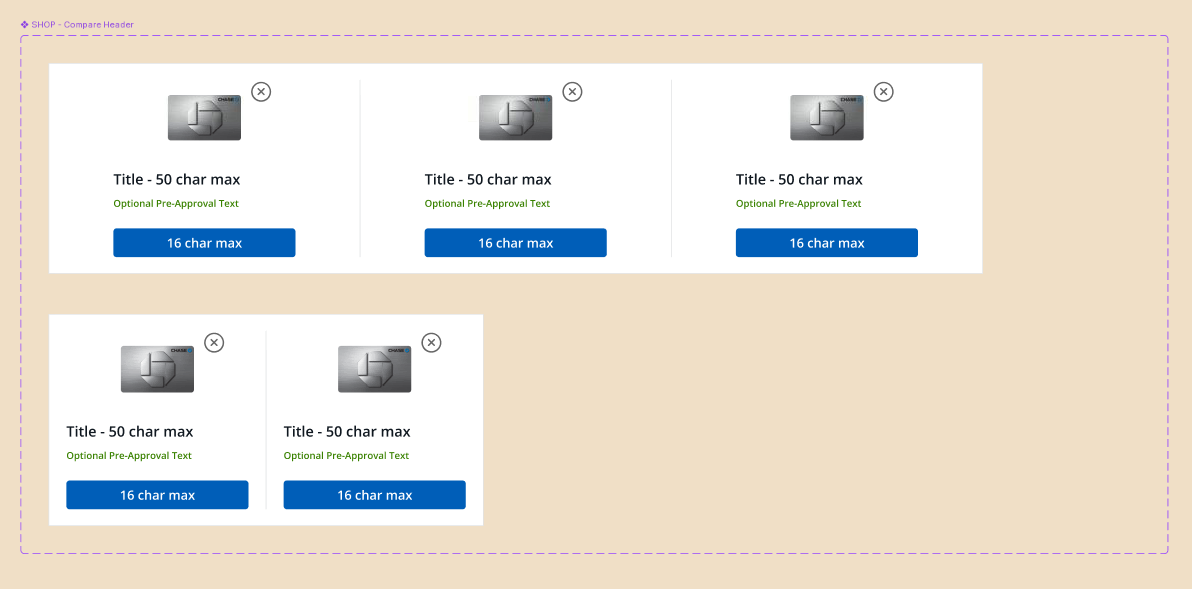
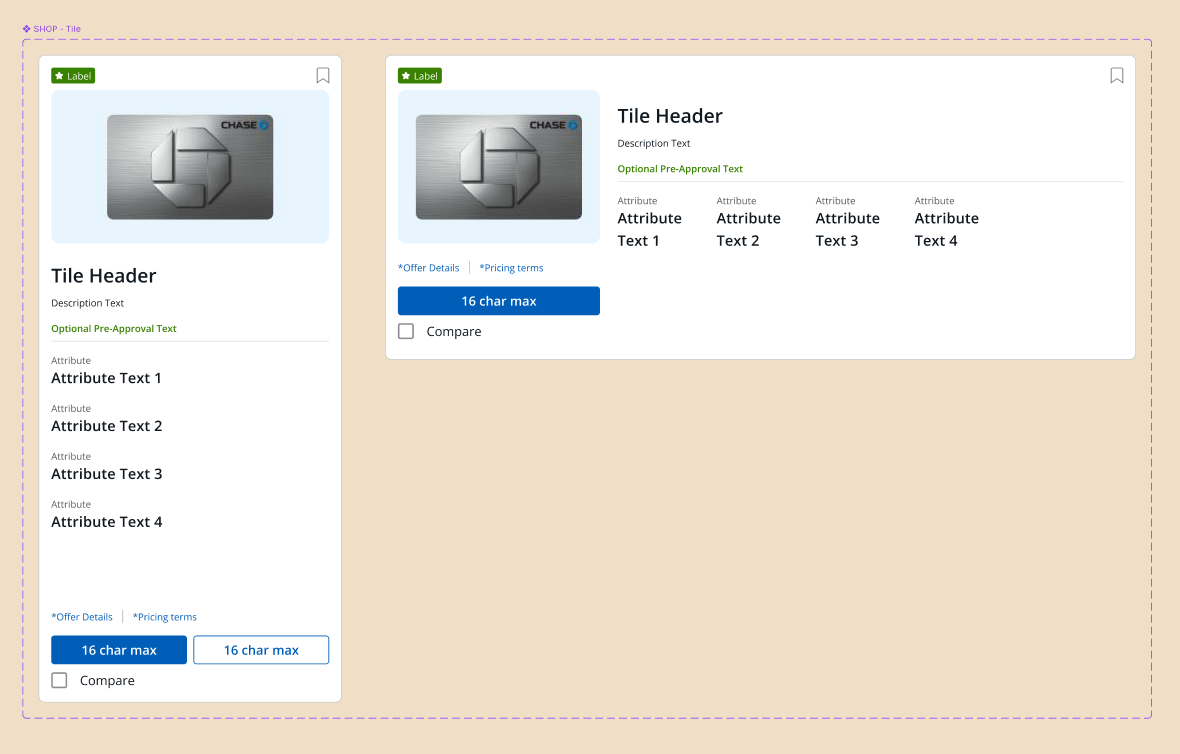
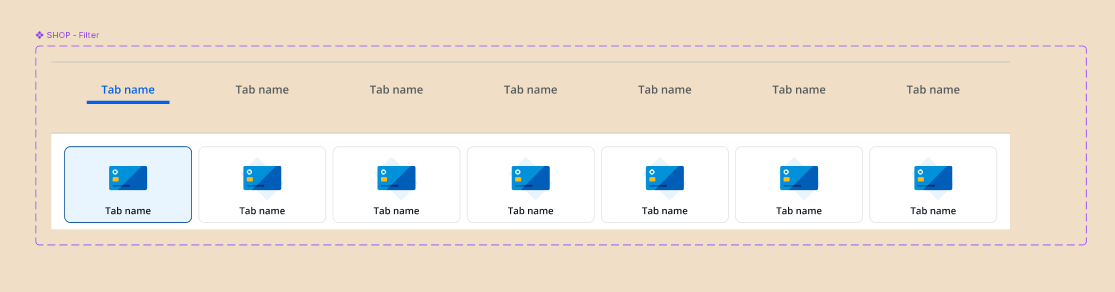
A major redesign to combine multiple siloed shopping product pages (Auto, Credit Card, Mortgage, etc.) into one scalable system.
Disparate team ownership produced inconsistent layouts, styles, and interactions. Each product felt like a separate brand, making it hard for users to complete tasks or compare options within the Chase ecosystem.

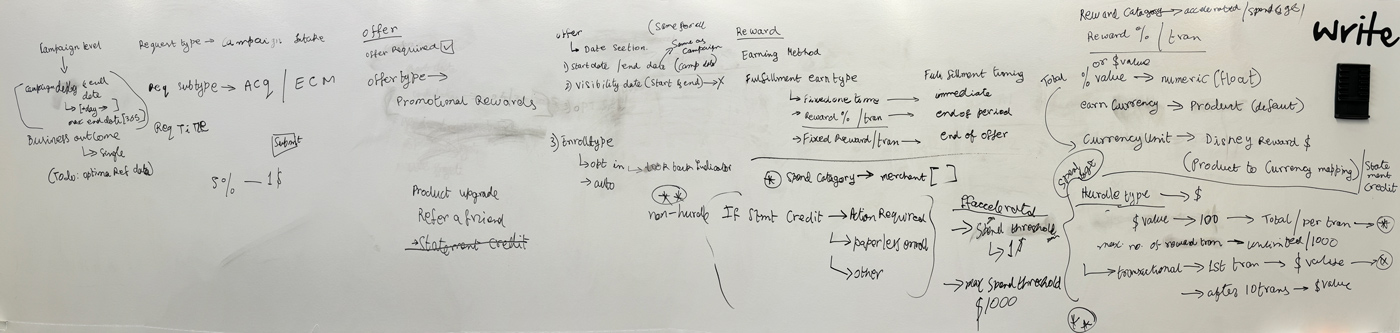
Cross-team audit and whiteboarding sessions to map shared goals.

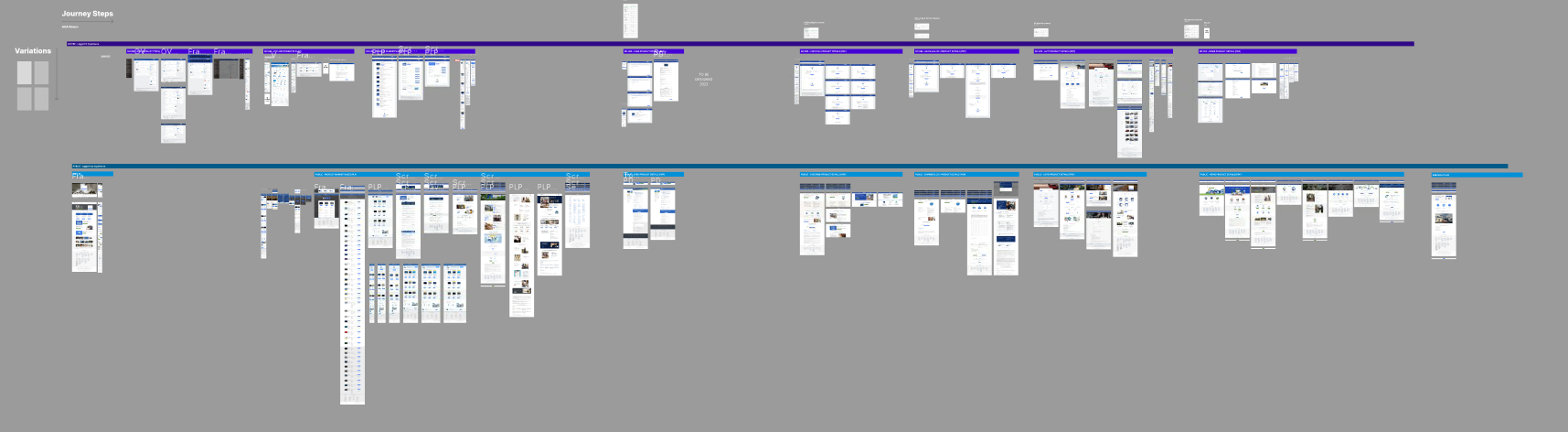
Prototyped unified flows and content hierarchy - harmonizing layouts, interactions, and visual language.

Built modular component integrated into React framework.
Setup continuous user testing to record success and places for improvements.
The result was a “One Chase” product environment that improved usability, reinforced brand trust, and increased product openings by +23 % within the first year.

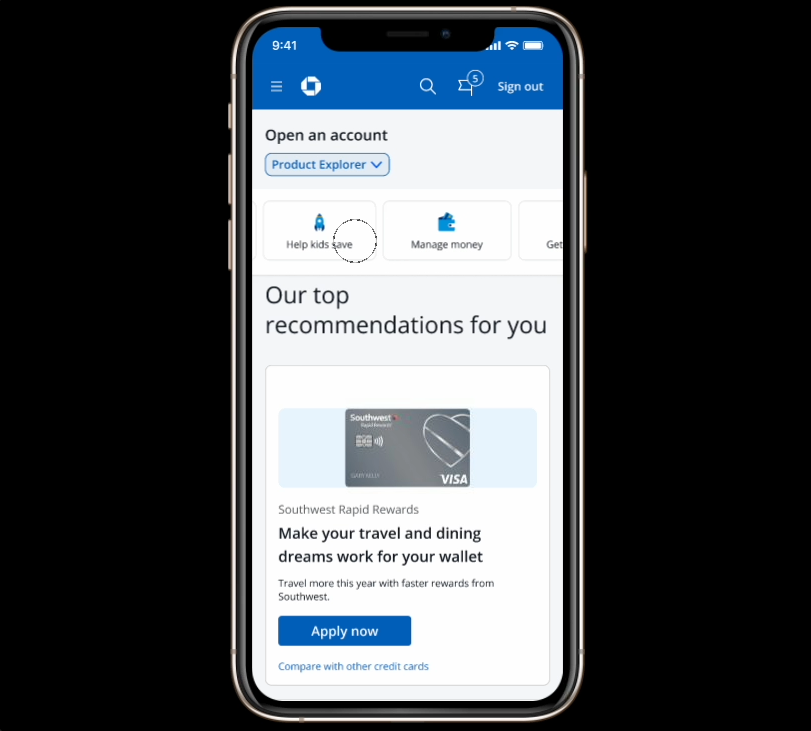
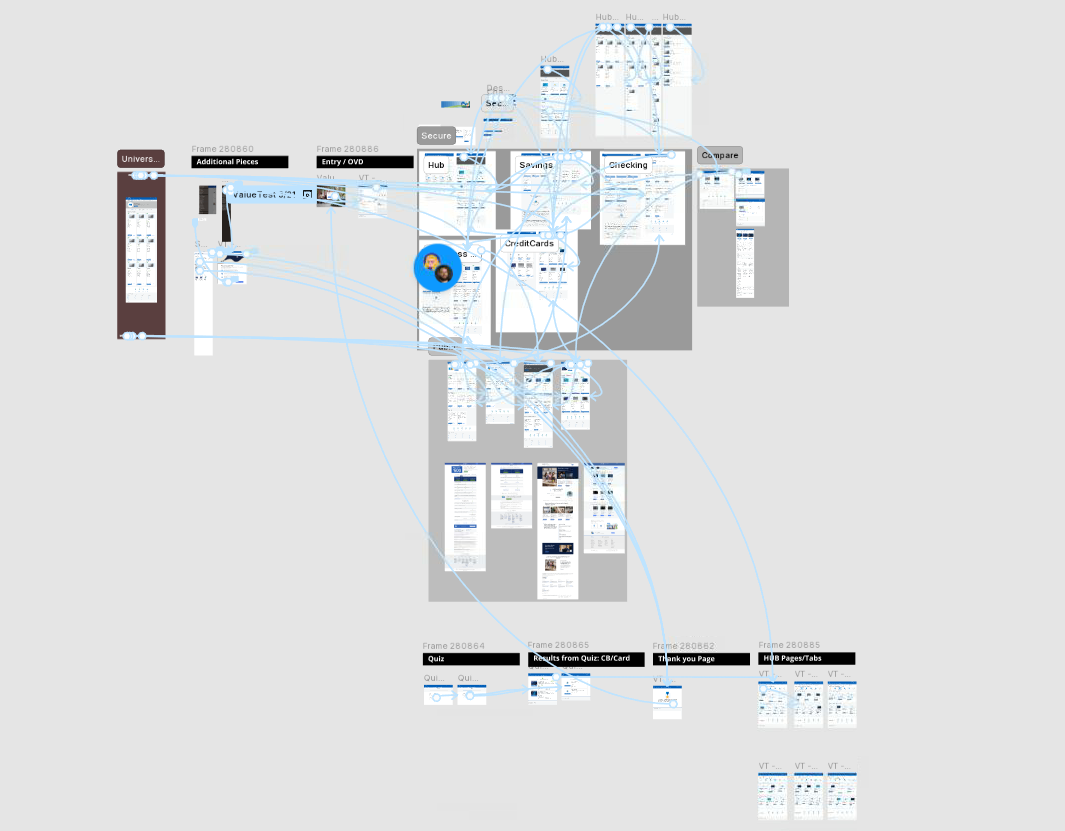
The success of Shopping Hub (1st named 'Product Explorer' as seen above) demonstrated how disciplined design governance and shared libraries accelerate measurable business outcomes.

MY ROLE – UX Lead Designer and Service Designer
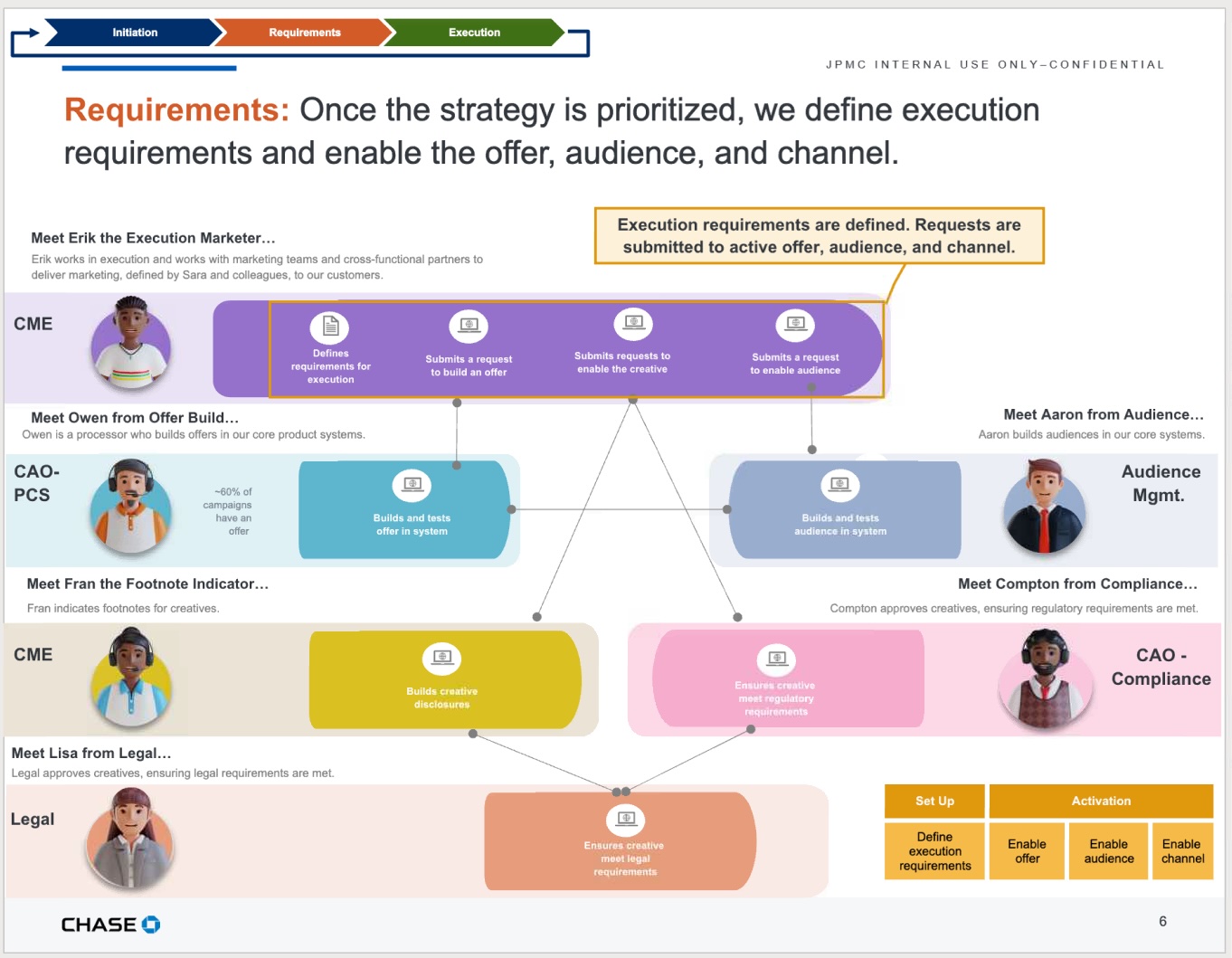
MY CONTRIBUTION – I led the end-to-end UX strategy and execution for Marketing Connect — collaborating with product managers, developers, and marketers to design a unified campaign creation platform. My work spanned discovery, information architecture, service design blue prints, interactive prototyping, and final design delivery within Chase’s design system.
TARGETED PERSONA – Marketing Manager or Campaign Specialist
PROBLEM STATEMENT – Marketers need a faster, centralized way to create and manage campaigns so they can focus on strategy and results — not administrative overhead and complex manual workflows that takes months to bring their campaigns to launch.
SOLUTION – Marketing Connect consolidates campaign setup into one seamless digital experience; bringing with it ease of use and speed to market.
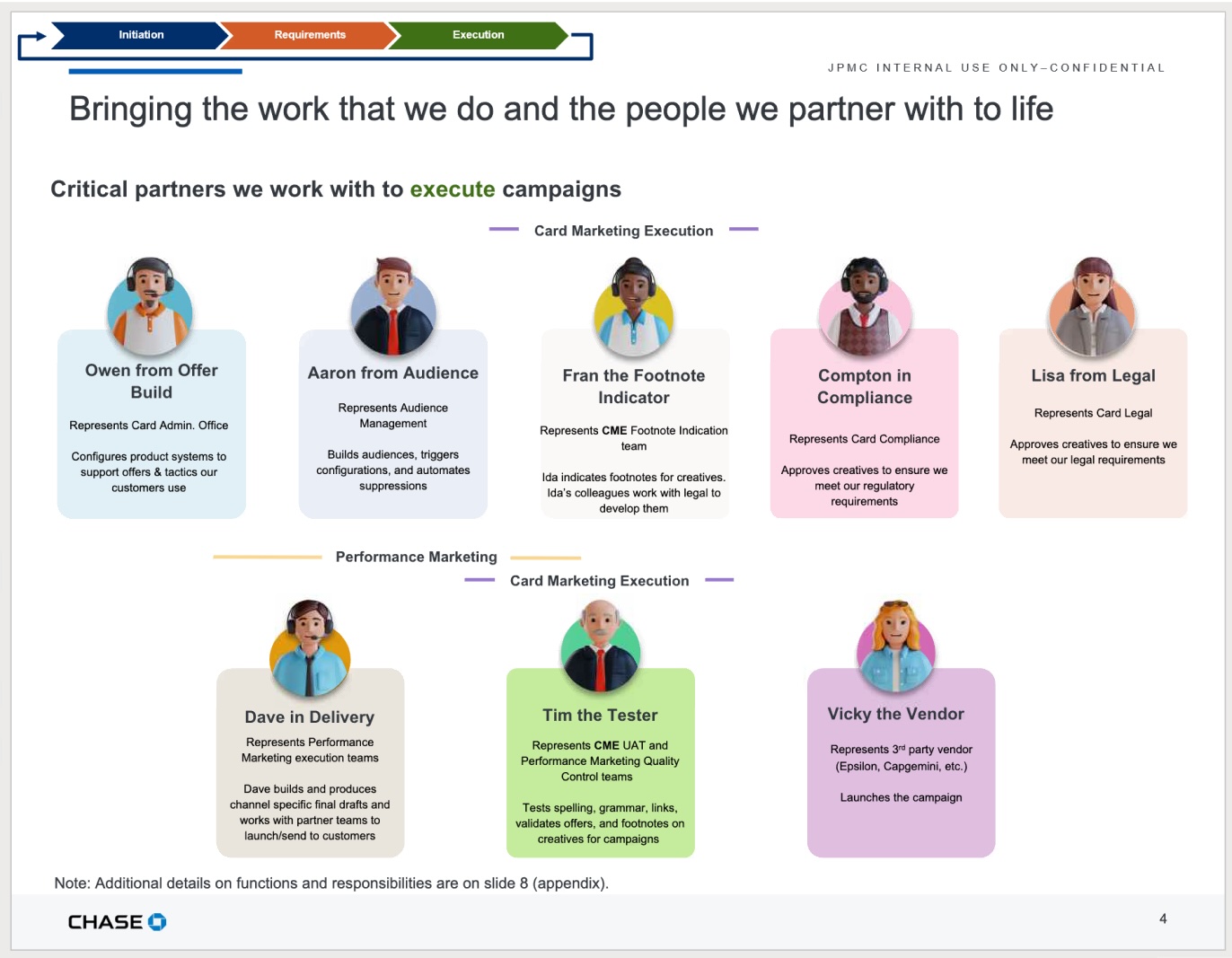
Marketing Connect is an internal J.P. Morgan Chase tool built to eliminate redundant campaign steps.
As Lead UX Designer, I partnered with Product & Tech to unify dozens of disconnected systems into one intuitive React web app.
Chase marketers were spending hours juggling multiple disconnected tools just to launch a single campaign. The lack of integration created data silos, inconsistent workflows, and a steep learning curve that slowed marketing operations.
Stakeholder interviews + heuristic evaluation of legacy tools.


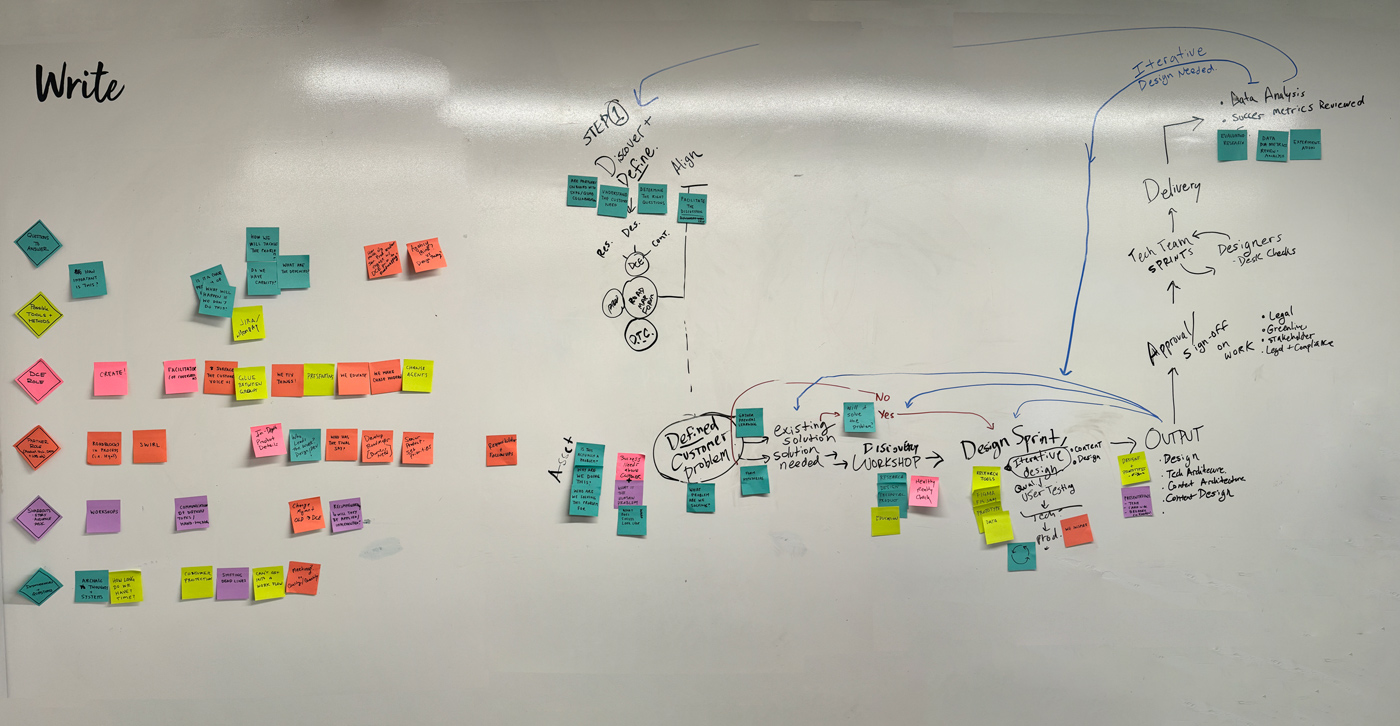
Building upon what we learned through our partners in marketing and our interviews with technology and the various employees we talked with about pain points in their current processes, we were able to develop and iterate service blueprints.
Wireframes evolved in parallel sprints with tech partners.
Interactive prototypes built in Figma to shareout and test across each of the Personas identified in the blueprint. Iterative rounds of user testing brought us to a viable MVP for Marketing Connect.

Launched Marketing Connect to card marketers as our pilot group and introduced them via educational material how to utilize their new system.

~40 % reduction in campaign setup time
+35 % increase in user satisfaction

This project cemented the value of design ops in a highly technical environment — strong partnerships with developers reduced build friction and improved adoption across departments.